From Anime Avatars to Empire: The Rise of VTubers as Gaming's New Power Players
A few years ago, if you told someone that a virtual anime girl playing Minecraft would out-earn most professional esports athletes, they'd have laughed you out of the room. Nobody's laughing now.
VTubing — the practice of streaming and creating content behind a real-time animated avatar — has exploded from a quirky corner of Japanese internet culture into a legitimate, staggeringly profitable entertainment industry. We're talking billions of dollars in revenue, sold-out concert venues, and sponsorship deals that rival traditional sports teams. The question isn't whether VTubers matter anymore. The question is why it took everyone so long to realize it.
The Numbers Don't Lie
Let's get into the actual economics, because they are wild. Hololive Production, the agency that houses talents like Gawr Gura and Mori Calliope, reportedly generates hundreds of millions in annual revenue through a combination of YouTube Super Chats, merchandise sales, sponsorships, and concert tickets. Nijisanji, their primary competitor, operates a similarly stacked portfolio across multiple regions.
Top-tier VTubers routinely pull in five to six figures per month just from platform monetization alone. Gawr Gura became the most-subscribed individual VTuber globally, hitting four million YouTube subscribers faster than most legacy media channels could dream of. When you layer in merch drops that sell out in minutes, exclusive voice packs, and themed collaborations with gaming companies, the ceiling basically disappears.
For context: the average Twitch partner — someone who's already made it past the grueling grind of building an audience — earns somewhere between $1,000 and $5,000 a month. The gap between that and what a mid-tier Hololive talent earns is genuinely staggering.
Why the Anime Aesthetic is the Secret Weapon
Here's what a lot of people still miss: the anime avatar isn't just a fun visual gimmick. It's doing serious psychological and commercial work.
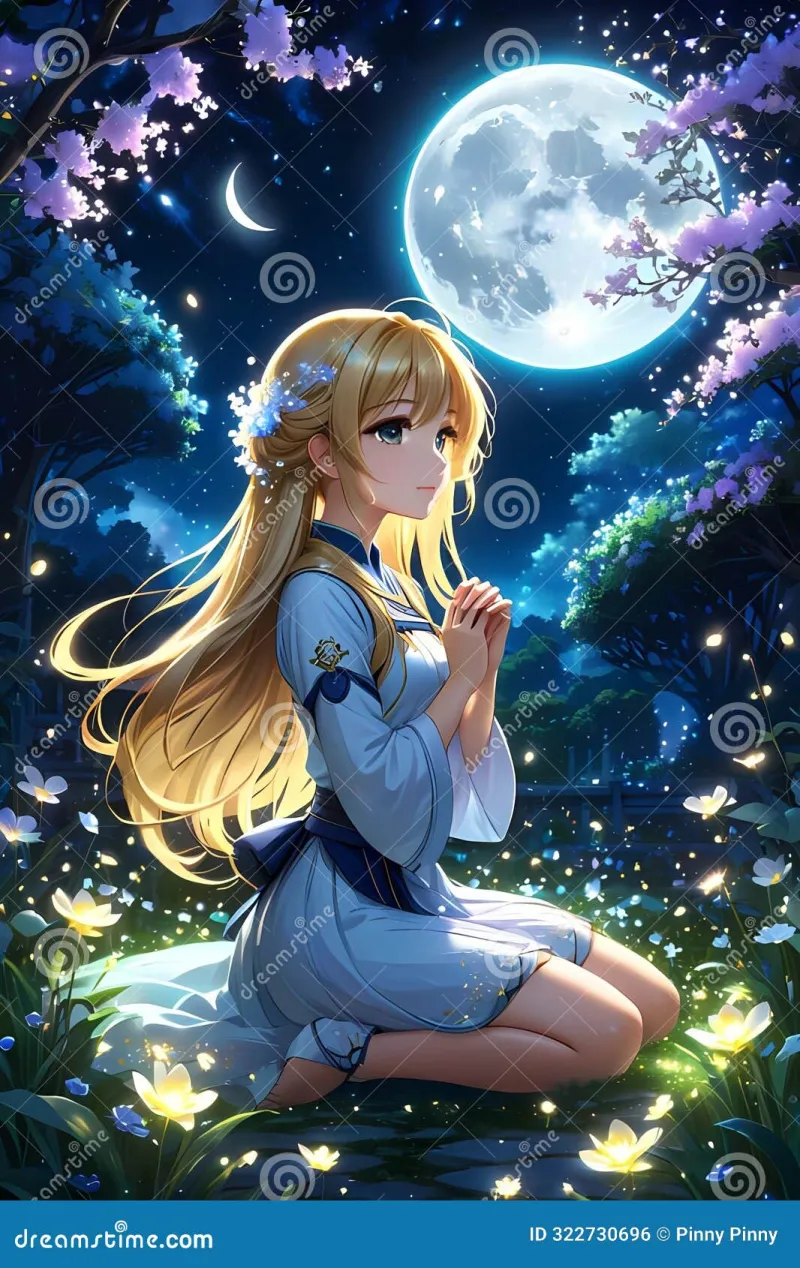
Anime character design carries decades of emotional shorthand built into it. Big expressive eyes, exaggerated reactions, distinctive voice performances — these are tools that have been refined across thousands of hours of animation to maximize audience engagement and emotional connection. When a VTuber deploys that toolkit in a live, interactive format, something genuinely new happens. The audience gets the parasocial warmth of a real human streamer combined with the idealized expressiveness of a beloved animated character.
It's a cheat code, honestly. And it works on audiences who grew up watching anime just as naturally as breathing.
This is exactly why Western streamers are increasingly jumping into the space. The barrier to entry has dropped dramatically — a quality Live2D model that would've cost thousands a few years ago can now be commissioned for a few hundred dollars, with free software like VTube Studio handling the face-tracking. Smaller creators on Twitch and YouTube are adopting anime avatars not because they're copying a trend, but because the data shows it works. Retention improves. Clip virality increases. The character becomes a brand.
The Parasocial Economy Is Real and It's Enormous
Let's talk about something the mainstream press always handles clumsily: parasocial relationships. The word gets thrown around like it's automatically a bad thing, but in the VTuber ecosystem it's the entire engine.
Viewers develop genuine emotional investment in their favorite VTubers. They celebrate milestones, send Super Chats during rough streams, buy birthday merchandise, and show up to virtual concerts. This isn't delusion — it's a new form of fan relationship that the entertainment industry is still scrambling to understand and monetize responsibly.
Gen Z, in particular, navigates this landscape with a surprising degree of self-awareness. Ask any dedicated Hololive fan whether they know their oshi is a persona, and most will tell you yes, obviously — and they don't care. The experience is the point. It's closer to loving a fictional character from your favorite anime than it is to stanning a traditional celebrity. The anime framing actually makes the whole dynamic feel more natural to audiences raised on that content.
Gaming companies have caught on. Collaborations between VTubers and major game releases — think limited-time in-game items, exclusive reveal streams, sponsored tournament appearances — have become a standard part of marketing budgets. When a VTuber with two million subscribers plays your new RPG on launch day, that's targeted reach that a traditional ad buy simply cannot replicate.
The Western Scramble
North American streaming culture is in the middle of an identity shift, and VTubing is a big part of why. The era of the raw, unfiltered "just a dude on a webcam" streamer isn't dead, but it's sharing more and more real estate with a generation of creators who understand that a compelling character is a competitive advantage.
Independent agencies like Phase Connect and PRISM Project are building Western VTuber rosters with genuine momentum. Meanwhile, established streamers are experimenting with anime avatars as secondary personas, testing whether their existing audiences follow the aesthetic shift. Spoiler: they usually do.
What's fascinating is that this isn't just about aesthetics. The VTuber model forces a kind of character discipline that traditional streaming doesn't require. You're not just yourself on camera — you're performing a version of yourself filtered through a persona, which paradoxically can make the content feel more polished and sustainable long-term.
What This Means for Gaming Culture
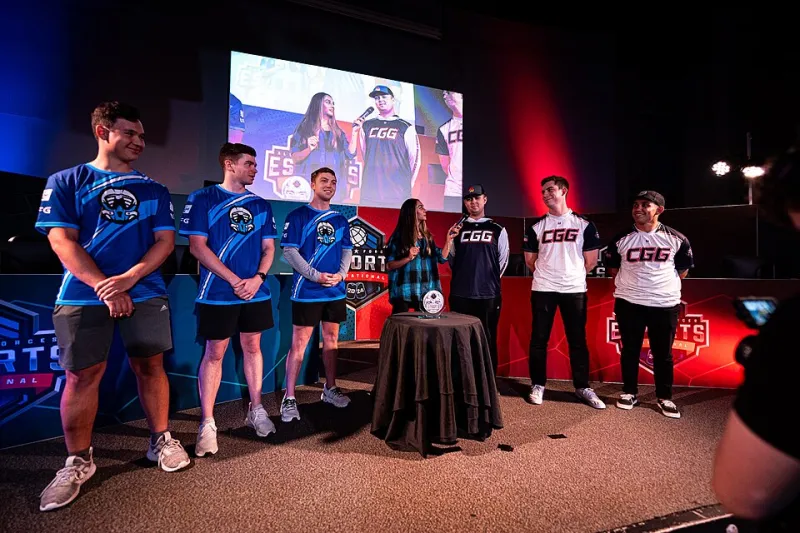
The VTuber pipeline has fundamentally changed who gets to be a face of gaming. It's no longer exclusively the domain of high-skill competitive players or charismatic personalities who happen to be conventionally attractive on camera. An anime avatar democratizes presence in a way that raw webcam streaming never could.
It's also pulling gaming and anime fandom closer together than ever. The audience that watches VTubers is the same audience buying manga, playing gacha games, and attending anime conventions. Brands that understand this crossover are printing money. Brands that don't are still trying to figure out why their Twitch sponsorships aren't converting.
VTubing isn't a fad. It's a structural change in how entertainment gets made and consumed — and it's got anime aesthetics and gaming culture written all over its DNA. Yatte Reiga has been saying it for a while: this is the intersection where everything interesting is happening right now. Pay attention.